
The consequences extend far beyond temporary discomfort. Poor desk work posture creates a cascade of musculoskeletal issues that can progress from mild tension to chronic pain, affecting everything from productivity to overall quality of life. Understanding how to combine proper office ergonomics with targeted chiropractic care for desk workers offers a comprehensive solution that addresses both prevention and treatment of these increasingly common conditions.
The Desk Work Posture Epidemic
Recent workplace health data reveals a concerning trend in seated posture problems. The average office worker now spends approximately 75% of their waking hours in a seated position, with many remaining relatively motionless for extended periods. This sedentary behavior places continuous stress on the spine, creating musculoskeletal problems that often develop silently over months or years before becoming apparent.
Research consistently shows that office worker back pain affects up to 80% of adults at some point in their careers, with desk-related posture issues serving as a primary contributor. The human spine evolved for movement and variation, not for the static positions modern computer workstation setup demands. When we maintain poor posture for extended periods, the body adapts in ways that reinforce these dysfunctional patterns, creating a cycle that becomes increasingly difficult to break without professional intervention.
The financial and personal costs are substantial. Businesses lose billions annually due to decreased productivity, increased absenteeism, and higher healthcare expenses related to musculoskeletal disorders. More importantly, individuals experience reduced quality of life, chronic pain, and progressive spinal problems that could often be prevented with proper ergonomic practices combined with chiropractic support.
Common Postural Problems from Extended Sitting
Forward Head Posture
Forward head posture has become so prevalent among desk workers that it's frequently referred to as "text neck" or "computer neck." This condition develops when the head shifts forward from its natural position over the shoulders, forcing the neck muscles to work overtime supporting the skull's weight. For every inch the head moves forward, it effectively doubles in weight from the perspective of the supporting structures.
This misalignment creates a domino effect throughout the entire spine. The cervical curve flattens, shoulder muscles become chronically tense, and the upper back rounds forward to compensate. Over time, this pattern can lead to tension headaches, reduced range of motion, nerve compression, and even herniated discs. Understanding how forward head posture develops and progresses is crucial for anyone spending significant time at a desk.
Rounded Shoulders
Rounded shoulders develop as a natural consequence of prolonged keyboard and mouse use combined with poor computer workstation setup. When arms remain extended forward for hours, the chest muscles tighten and shorten while the upper back muscles stretch and weaken. This muscular imbalance pulls the shoulder blades forward and away from their optimal position, creating a hunched appearance and restricting breathing capacity.
Lower Back Flattening
The natural lumbar curve serves as a shock absorber for the spine, distributing forces evenly across the vertebrae and discs. However, prolonged sitting, especially in poorly designed chairs or with incorrect seated posture can flatten this curve.
This flattening, known as posterior pelvic tilt, stretches the ligaments and muscles designed to maintain spinal stability. Over time, this constant stress can lead to disc degeneration, herniation, and chronic lower back pain.
Hip Flexor Tightness
Sitting for extended periods keeps the hip flexors—the muscles connecting the lumbar spine to the front of the thigh—in a shortened position. When these muscles remain contracted for hours daily, they adapt by becoming shorter and tighter, even when you stand. This tightness pulls the pelvis forward, increasing the arch in the lower back and creating additional stress on the lumbar spine.
Tight hip flexors also affect gait patterns and overall movement quality. They can contribute to lower back pain, alter posture during standing activities, and reduce athletic performance. Many desk workers experience stiffness when first standing after prolonged sitting, a telltale sign that hip flexor tightness has become problematic and requires attention.
Ergonomic Workstation Setup Guide
Creating an optimal ergonomic setup requires attention to multiple factors that work together to support neutral posture throughout the workday.
Monitor Position
- Place your monitor at arm's length distance (approximately 20-26 inches from your face)
- Position the top of the screen at or slightly below eye level
- For multiple monitors, keep your primary screen directly in front with secondary displays angled at 30-degree intervals
- Consider a monitor stand or adjustable arm for fine-tuning height and angle
Chair Selection and Adjustment
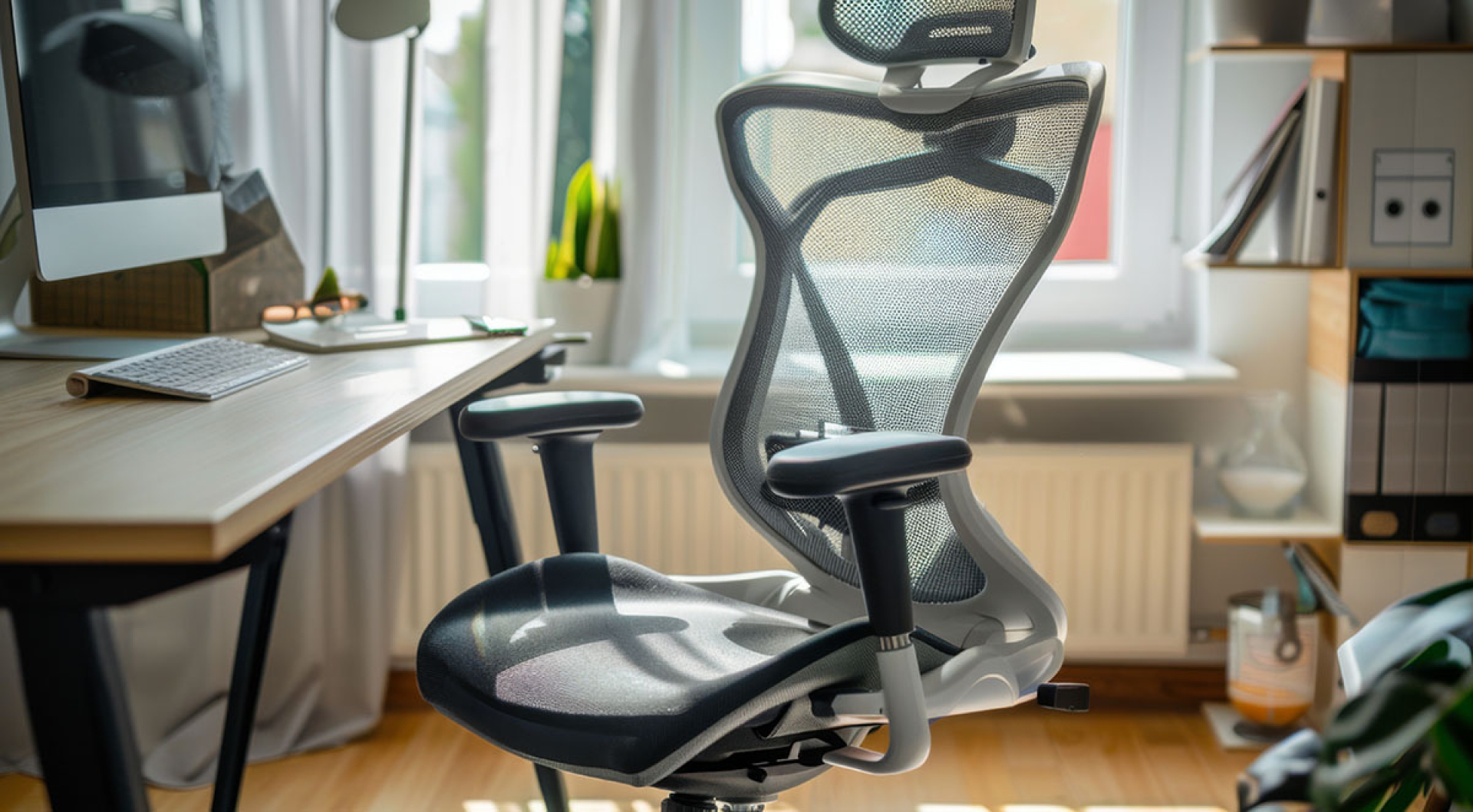
- Invest in a quality office chair with adjustable seat height, lumbar support, armrests, and seat depth
- Adjust seat height so feet rest flat on the floor with knees at approximately 90 degrees
- Position lumbar support to maintain the natural curve of your lower back
- Set armrests to allow shoulders to relax without shrugging or slouching
Keyboard and Mouse Positioning
- Keep keyboard and mouse at the same height, close to your body
- Position them so elbows bend at approximately 90 degrees
- Avoid reaching forward or to the side repeatedly
- Consider an ergonomic keyboard or mouse if experiencing wrist discomfort
Standing Desk Considerations
- If using a standing desk, alternate between sitting and standing throughout the day
- When standing, maintain the same monitor height and keyboard positioning principles
- Use an anti-fatigue mat to reduce stress on feet and legs
- Start with short standing intervals and gradually increase duration
How Chiropractic Care Complements Ergonomics
While proper office ergonomics prevent additional damage, they cannot reverse existing spinal misalignments or muscular imbalances that have already developed. This is where ergonomic chiropractic care becomes essential. Chiropractic adjustments address the structural component of posture problems from sitting, correcting vertebral misalignments that contribute to pain and dysfunction.
At Monitto Chiropractic, we understand that desk workers face unique challenges. Our approach to posture correction combines specific chiropractic adjustments with therapeutic recommendations designed to address the root causes of desk-related pain. Through careful assessment and targeted treatment, we help restore proper spinal alignment and improve overall function.
Corrective Adjustments for Desk Workers
Chiropractic adjustments for desk workers focus on areas most affected by prolonged sitting and computer use. These typically include the cervical spine (neck), thoracic spine (upper back), and lumbar spine (lower back). Adjustments help restore proper alignment, reduce nerve interference, and allow the body to function as designed.
Our clinic offers several specialized services particularly beneficial for desk workers:
Chiropractic Adjustments restore proper spinal alignment and nervous system function. We use various techniques including Chiropractic Biophysics (CBP), Thompson and Pierce Drop Table, Diversified, and Upper Cervical adjustments to address specific needs.
Y-Strap Decompression provides gentle spinal decompression by stretching the spine along its natural axis. This technique helps relieve pressure on compressed discs and nerves, particularly beneficial for those experiencing repetitive strain from prolonged sitting. Read more about understanding Y-Strap decompression and what makes this technique different.
Flexion-Distraction offers a gentle, non-surgical therapy that creates decompression of the spine through cycles of stretch and relaxation. This approach proves especially effective for lower back pain, sciatica, and disc-related issues common among desk workers.
Apollo Cold Laser Therapy reduces pain and inflammation while promoting healing. This advanced treatment addresses both acute issues (like a sudden neck crick) and chronic conditions (such as repetitive strain injuries) without heat or side effects. Read about Apollo cold laser therapy – pain relief without heat or side effects.
Exercises and Stretches for Office Workers
Incorporating regular movement and stretching throughout the workday helps counteract the effects of prolonged sitting:
Neck Stretches
- Gentle chin tucks: Pull chin straight back, hold for 5 seconds, repeat 10 times
- Side neck stretches: Tilt head toward shoulder, hold 15-30 seconds each side
- Neck rotations: Slowly turn head side to side, holding briefly at each end
Shoulder and Upper Back Exercises
- Shoulder blade squeezes: Pull shoulder blades together, hold 5 seconds, repeat 10 times
- Wall angels: Stand against wall, slide arms up and down maintaining contact
- Doorway chest stretches: Place forearms on doorframe, lean forward gently
Lower Back and Hip Stretches
- Standing hip flexor stretches: Lunge position, push hips forward, hold 30 seconds each side
- Seated spinal twists: Sit tall, rotate torso, hold 15-30 seconds each direction
- Cat-cow stretches: On hands and knees, alternate arching and rounding back
Creating Movement Habits Throughout the Day
Regular movement breaks prove essential for preventing posture problems from sitting:
- Follow the 20-20-20 rule: Every 20 minutes, look at something 20 feet away for 20 seconds
- Stand and stretch hourly: Set reminders to stand, stretch, and walk briefly
- Vary your position: Adjust your sitting position regularly, avoid staying static
- Take walking meetings: When possible, conduct phone calls while walking
- Use movement as breaks: Do simple exercises between tasks rather than scrolling on your phone
Frequently Asked Questions
How long does it take to correct posture problems from desk work?
The timeline for correcting desk work posture varies depending on how long the problem has existed and its severity. Many patients notice improvements within the first few weeks of combining proper ergonomics with chiropractic care. However, lasting correction typically requires 2-3 months of consistent treatment and ergonomic modifications. The key is addressing the problem early rather than waiting until pain becomes severe.
Can ergonomic improvements alone fix my neck and back pain?
While proper office ergonomics are crucial for preventing additional damage, they typically cannot reverse existing spinal misalignments or repair damaged tissues. Ergonomic improvements work best when combined with chiropractic care that addresses underlying structural problems. Think of ergonomics as prevention and chiropractic as treatment—both are necessary for optimal results.
How often should desk workers get chiropractic adjustments?
The frequency of chiropractic visits depends on individual needs and the severity of posture-related issues. Initially, more frequent visits (1-2 times per week) help correct significant misalignments and establish proper patterns. As conditions improve, many desk workers benefit from maintenance care every 2-4 weeks to prevent problems from recurring. Contact us for a personalized assessment and treatment plan.
What's the most important ergonomic change I can make right now?
If you can only make one change immediately, adjust your monitor height. Ensuring your screen sits at proper eye level prevents the forward head posture that contributes to so many other problems. However, comprehensive improvement requires addressing all aspects of your workstation setup along with professional chiropractic care.
Conclusion
The modern desk work epidemic demands a comprehensive approach that combines proper office ergonomics with professional chiropractic care for desk workers. While ergonomic improvements prevent additional damage, they cannot reverse existing problems or repair structural issues already present. By addressing both prevention through proper computer workstation setup and treatment through chiropractic adjustments, you can break free from the cycle of pain and dysfunction that affects so many office workers.
Ready to experience relief from office worker back pain and improve your overall spinal health? Contact us today to schedule your comprehensive evaluation and take the first step toward better posture, less pain, and improved function both at work and in daily life.